Buy chatgratis.eu ?
We are moving the project
chatgratis.eu .
Are you interested in purchasing the domain
chatgratis.eu ?
domain@kv-gmbh.de · 0541-91531010
Buy chatgratis.eu ?
'Will + participle 2?'
"Will + participle 2" is a construction used to form the future perfect tense in English. It is used to indicate an action that will be completed before a specific point in the future. This construction is formed by using the auxiliary verb "will" followed by the past participle of the main verb. For example, "By the time you arrive, I will have finished my homework." **
What are the Latin forms of the present participle, perfect passive participle, and future active participle?
The Latin present participle is formed by adding -ns, -ntis to the present stem of the verb. For example, the present participle of the verb "amo" (I love) is "amans, amantis" (loving). The perfect passive participle is formed by adding -us, -a, -um to the verb stem. For example, the perfect passive participle of the verb "amo" is "amatus, amata, amatum" (loved). The future active participle is formed by adding -urus, -ura, -urum to the verb stem. For example, the future active participle of the verb "amo" is "amaturus, amatura, amaturum" (about to love). **

Similar search terms for Participle
Top-Angebote
Products related to Participle:
-
The Usborne Reading Collection 50 Books Box Set (with Free Audio Online) - Ages 5+ - Paperback Usborne Publishing LtdTitles in this set: The first 17 books are taken from Usborne First Reading Level 3: 1. The Bug Who Wanted A Hug 2. The King's Pudding 3. The Goose that laid the Golden Eggs 4. Chicken Licken 5. The Musicians of Bremen 6. The Town Mouse and the Country Mouse 7. The Boy Who Cried Wolf 8. The Magic Porridge Pot 9. The Gingerbread Man 10. The Leopard and the Sky God 11. The Lion and the Mouse 12. The Ant and the Grasshopper 13. The Little Red Hen 14. The Fox and the Crow 15. The Fox and the Stork 16. The Dinosaur Who Lost His Roar 17. The Dinosaur Who Stayed Indoors The next 19 books are taken from Usborne First Reading Level 4: 1. The Tin Soldier 2. The Golden Carpet 3. The Reluctant Dragon 4. Baba Yaga the Flying Witch 5. The Owl and the Pussy Cat 6. The Hare and the Tortoise 7. Cinderella 8. Snow White and the Seven Dwarfs 9. Jack & the Beanstalk 10. Goldilocks and the Three Bears 11. Little Red Riding Hood 12. Sleeping Beauty 13. The Elves and the Shoemaker 14. Princess and the Pea 15. Beauty and the Beast 16. The Ugly Duckling 17. The Three Wishes 18. The Story of Pinocchio 19. How Tortoise tricked the Birds 14 Further books are taken from Usborne Young Reading Series 1: 1. The Wise Princess 2. Snow White and Rose Red 3. The Sleeping Prince 4. The Wooden Horse 5. The Little Mermaid 6. The Nutcracker 7. Hansel and Gretel 8. Rumplestilskin 9. Adventures of Sinbad the Sailor 10. The Runaway Princess 11. Tinder Box 12. Icarus, the Boy Who Flew Too High 13. Stories of Unicorns 14. Stories of Merlin Description: Inspire a lifelong love of reading in children with this fantastic library of 50 books. This great value set of fully illustrated story books is sure to suit all levels of reading ability. All fifty titles feature in the Usborne Reading Programme, a range that has been especially developed to help encourage young readers at home.32,99 £*Shipping: 2,99 £Secure redirect to the provider
-
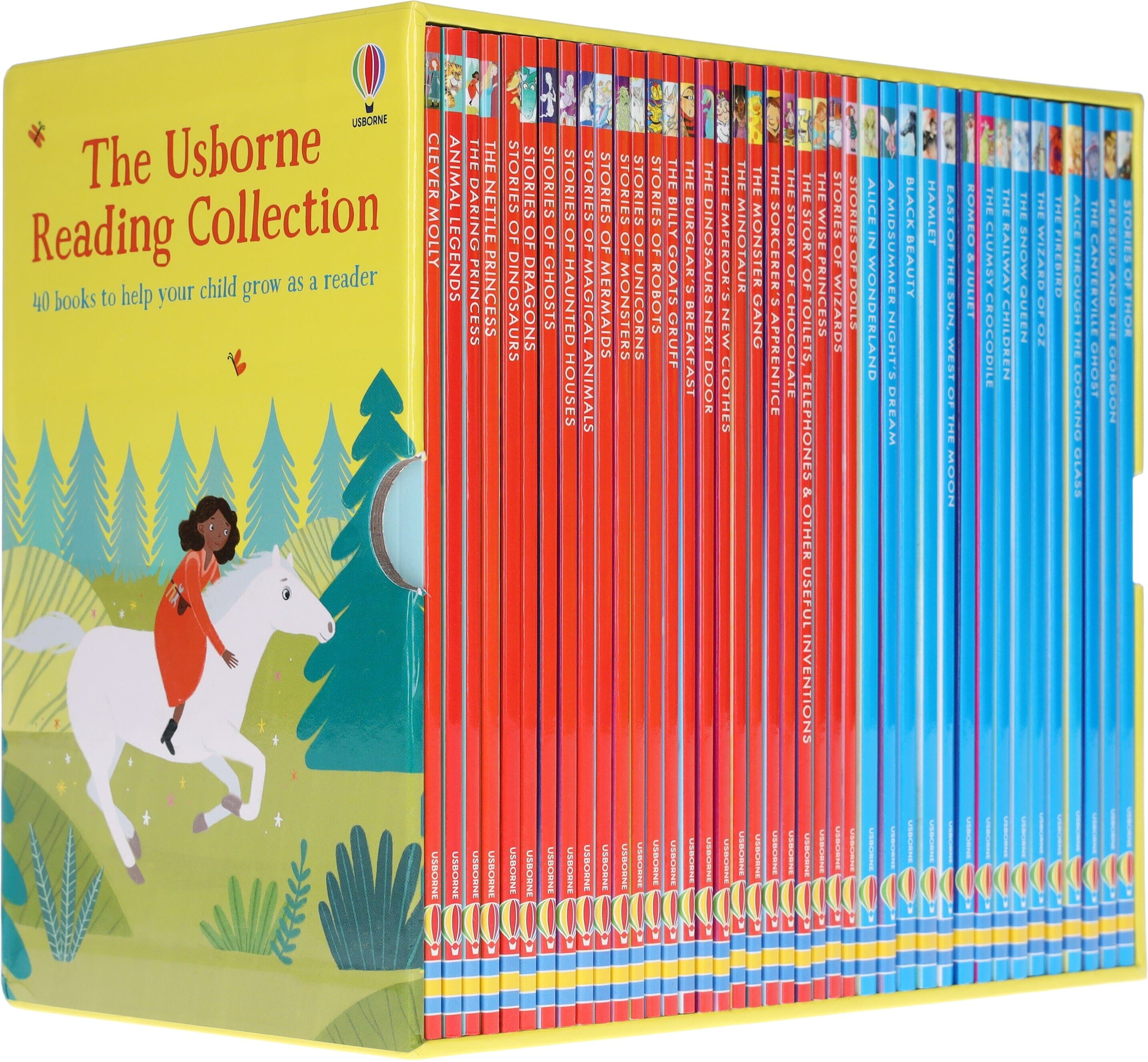
The Usborne Reading 40 Books Collection Box Set (with Free Audio Online) - Ages 5+ - Paperback Usborne Publishing LtdTitles in this set: The first 25 books are taken from Usborne Young Reading Series One: The Wise Princess Clever Molly The Nettle Princess The Daring Princess Animal Legends Stories of Dinosaurs Stories of Dragons Stories of Ghosts Stories of Haunted Houses Stories of Magical Animals Stories of Mermaids Stories of Monsters Stories of Unicorns Stories of Robots The Billy Goats Gruff The Burglar's Breakfast The Dinosaurs Next Door The Emperor's New Clothes The Monster Gang The Sorcerer's Apprentice The Story of Chocolate Story of Toilets, Telephones & other useful inventions Stories of Wizards Stories of Dolls The Minotaur The next 15 books are taken from Usborne Young Reading Series two: Alice in Wonderland A Midsummer Night's Dream Black Beauty Hamlet East of the Sun, West of the Moon Romeo and Juliet The Clumsy Crocodile The Railway Children The Snow Queen The Wizard of Oz The Firebird Alice Through The Looking-Glass The Canterville Ghost Perseus and the Gorgon Young Reading Stories of Thor Description Perfect for building confidence and fostering a love of reading, The Usborne Reading Collection is a fantastic library of 40 books with free Audio Online. From much-loved classics to comical original stories and real-life histories, this fully illustrated set has been developed with reading experts from the University of Roehampton.26,74 £*Shipping: 2,99 £Secure redirect to the provider
-
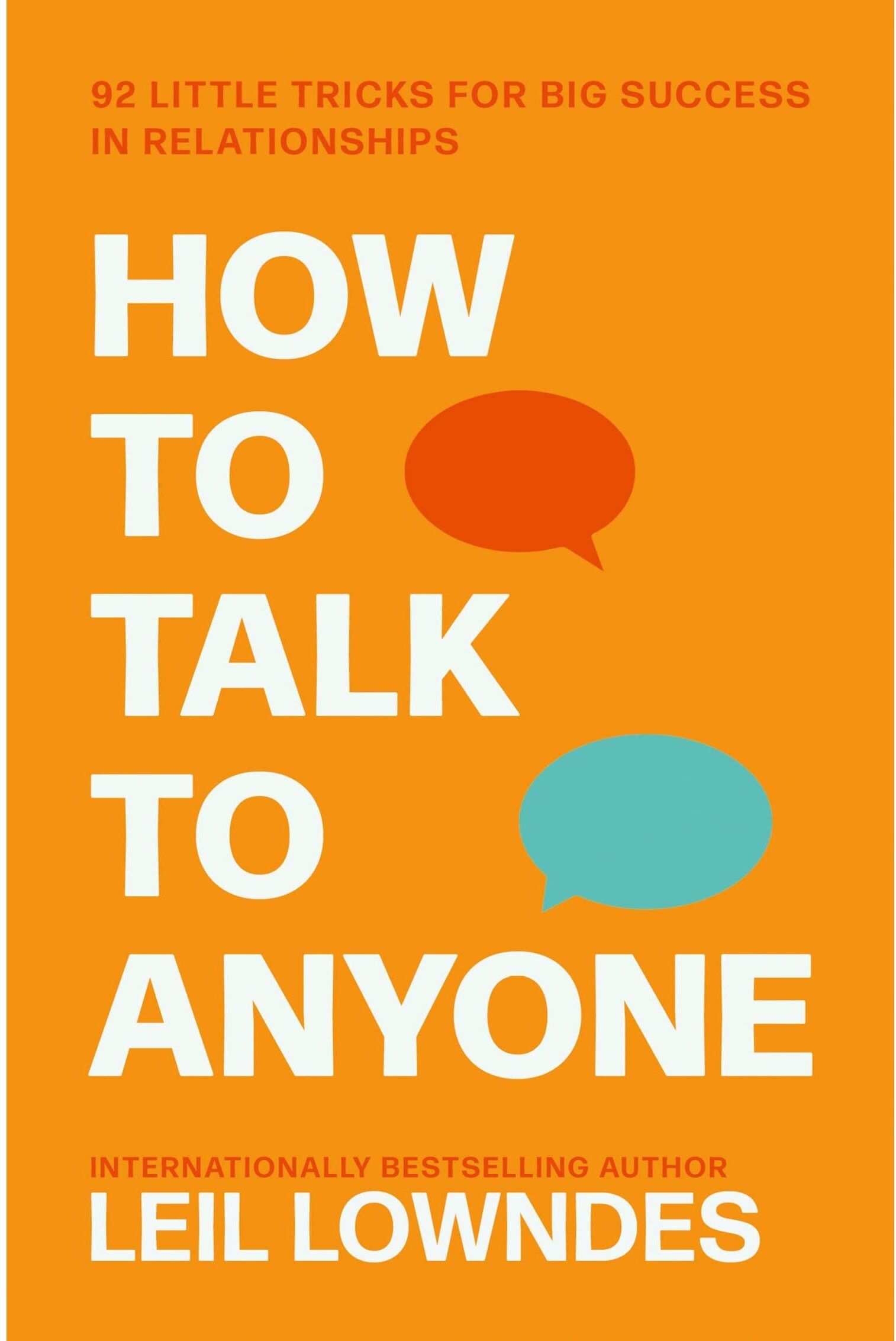
HARPERCOLLINS How to Talk to Anyone – 92 Little Tricks for Big Success in Relationships by Leil Lowndes Communication & Social Skills BestsellerMaster the art of confident communication. In How to Talk to Anyone: 92 Little Tricks for Big Success in Relationships, bestselling author and communication expert Leil Lowndes shares practical, easy-to-use techniques to help you connect with people in any situation. From networking events and job interviews to social gatherings and everyday conversations, this book shows you how to communicate with confidence, charisma, and impact. Packed with proven strategies on body language, first impressions, conversation starters, and listening skills, this timeless guide helps you overcome social anxiety, build rapport instantly, and leave a lasting impression. Whether you want to improve your personal relationships or advance your professional life, this book offers tools you can apply immediately. What You’ll Learn: How to start and end conversations effortlessly Secrets of confident body language and eye contact Techniques to build instant rapport and trust How to speak with authority and warmth Communication skills for work, dating, and social life A must-read for anyone looking to improve their social skills, networking ability, and personal confidence, How to Talk to Anyone is a classic self-help bestseller with lasting value.4,89 £*Shipping: 1,99 £Secure redirect to the provider


-
What are participle clauses?
Participle clauses are a type of clause that uses a present participle (-ing form) or a past participle (-ed form) to provide additional information about the subject of the main clause. They can be used to show simultaneous actions, cause and effect, or to provide descriptive details. For example, in the sentence "Feeling tired, she decided to go to bed," the participle clause "Feeling tired" provides additional information about the subject "she." **
-
What is a participle?
A participle is a form of a verb that can function as an adjective or be part of a verb phrase. There are two types of participles in English: the present participle, which ends in -ing (e.g. "walking"), and the past participle, which can end in -ed, -en, -d, -t, -n, or -ne (e.g. "broken"). Participles are used to modify nouns or pronouns, and they can also be used to form verb tenses such as the present perfect or past perfect. **
-
What is the difference between the past participle and the present participle?
The past participle is a verb form used to indicate a completed action or state that occurred in the past. It is often used with auxiliary verbs to form the perfect tenses (e.g., "has eaten," "had gone"). The present participle, on the other hand, is a verb form used to indicate an ongoing action or state in the present or future. It is formed by adding "-ing" to the base form of the verb and is used to create the progressive tenses (e.g., "is eating," "will be going"). **
-
How can the terms premature, simultaneous, and subsequent be explained in relation to past participle, present participle, and future participle?
The terms premature, simultaneous, and subsequent can be explained in relation to past participle, present participle, and future participle based on their timing in relation to the action of the verb. The past participle refers to an action that has already been completed, making it premature in relation to the present moment. The present participle refers to an action that is happening at the same time as something else, making it simultaneous. The future participle refers to an action that will happen at a later time, making it subsequent to the present moment. These terms help to clarify the timing of the action in relation to the verb. **


What is a substantivized participle?
A substantivized participle is a verb form that has been turned into a noun by adding a definite article and declining it for case, gender, and number. In other words, it is a participle that has been transformed into a noun and can function as a subject, object, or complement in a sentence. This process allows the participle to take on the characteristics of a noun while still retaining some of its verbal qualities. **
What is a nominalized participle?
A nominalized participle is a verb form that has been turned into a noun. This is done by adding a suffix to the participle form of the verb, which allows it to function as a noun in a sentence. Nominalized participles are commonly used in various languages to express actions or qualities in a more abstract or general way. **
Top-Angebote
Products related to Participle:
-
Playful Picks Spooky Light Up Anonymous Mask GreenDon’t you just love cosplay, rave and costume parties Everyone dresses up so innovatively, they put on abnormally appealing makeup (only the ladies :p), the music is deafeningly enjoyable but wait. Do you always show up in the same old costume Don’t...29,97 $*Shipping: 0,00 $Secure redirect to the provider
-
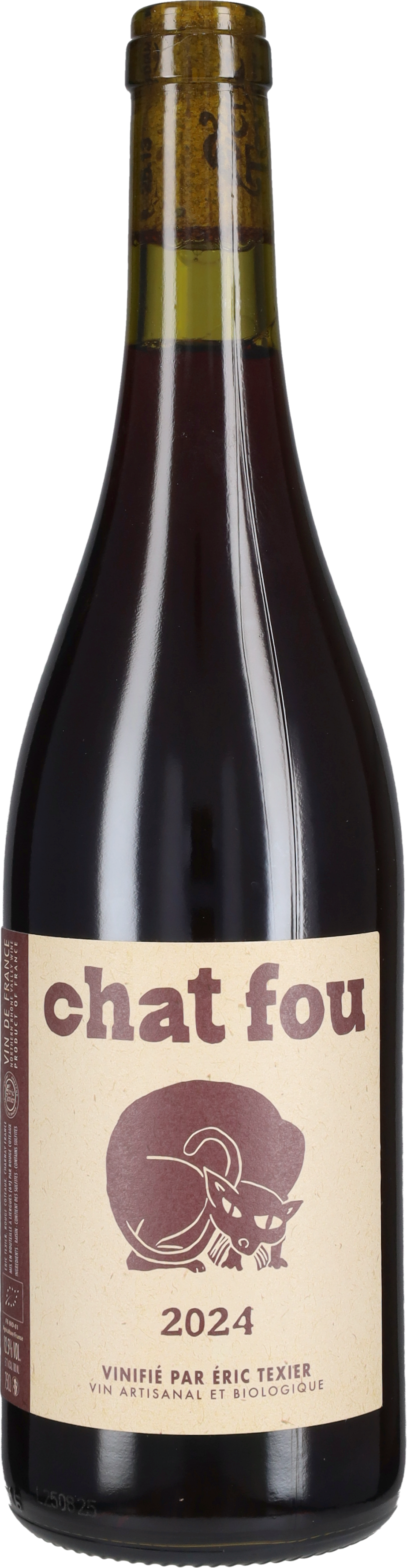
Texier Eric 'Chat Fou' Eric Texier 2024continuously encourages drinking. A label suitable for any occasion, convivial and typically artisanal.continuously encourages drinking. A label suitable for any occasion, convivial and typically artisanal.continuously encourages drinking. A label suitable for any occasion, convivial and typically artisanal.18,00 £*Shipping: 48,00 £Secure redirect to the provider
-
The Usborne Reading Collection 50 Books Box Set (with Free Audio Online) - Ages 5+ - Paperback Usborne Publishing LtdTitles in this set: The first 17 books are taken from Usborne First Reading Level 3: 1. The Bug Who Wanted A Hug 2. The King's Pudding 3. The Goose that laid the Golden Eggs 4. Chicken Licken 5. The Musicians of Bremen 6. The Town Mouse and the Country Mouse 7. The Boy Who Cried Wolf 8. The Magic Porridge Pot 9. The Gingerbread Man 10. The Leopard and the Sky God 11. The Lion and the Mouse 12. The Ant and the Grasshopper 13. The Little Red Hen 14. The Fox and the Crow 15. The Fox and the Stork 16. The Dinosaur Who Lost His Roar 17. The Dinosaur Who Stayed Indoors The next 19 books are taken from Usborne First Reading Level 4: 1. The Tin Soldier 2. The Golden Carpet 3. The Reluctant Dragon 4. Baba Yaga the Flying Witch 5. The Owl and the Pussy Cat 6. The Hare and the Tortoise 7. Cinderella 8. Snow White and the Seven Dwarfs 9. Jack & the Beanstalk 10. Goldilocks and the Three Bears 11. Little Red Riding Hood 12. Sleeping Beauty 13. The Elves and the Shoemaker 14. Princess and the Pea 15. Beauty and the Beast 16. The Ugly Duckling 17. The Three Wishes 18. The Story of Pinocchio 19. How Tortoise tricked the Birds 14 Further books are taken from Usborne Young Reading Series 1: 1. The Wise Princess 2. Snow White and Rose Red 3. The Sleeping Prince 4. The Wooden Horse 5. The Little Mermaid 6. The Nutcracker 7. Hansel and Gretel 8. Rumplestilskin 9. Adventures of Sinbad the Sailor 10. The Runaway Princess 11. Tinder Box 12. Icarus, the Boy Who Flew Too High 13. Stories of Unicorns 14. Stories of Merlin Description: Inspire a lifelong love of reading in children with this fantastic library of 50 books. This great value set of fully illustrated story books is sure to suit all levels of reading ability. All fifty titles feature in the Usborne Reading Programme, a range that has been especially developed to help encourage young readers at home.32,99 £*Shipping: 2,99 £Secure redirect to the provider
-
The Usborne Reading 40 Books Collection Box Set (with Free Audio Online) - Ages 5+ - Paperback Usborne Publishing LtdTitles in this set: The first 25 books are taken from Usborne Young Reading Series One: The Wise Princess Clever Molly The Nettle Princess The Daring Princess Animal Legends Stories of Dinosaurs Stories of Dragons Stories of Ghosts Stories of Haunted Houses Stories of Magical Animals Stories of Mermaids Stories of Monsters Stories of Unicorns Stories of Robots The Billy Goats Gruff The Burglar's Breakfast The Dinosaurs Next Door The Emperor's New Clothes The Monster Gang The Sorcerer's Apprentice The Story of Chocolate Story of Toilets, Telephones & other useful inventions Stories of Wizards Stories of Dolls The Minotaur The next 15 books are taken from Usborne Young Reading Series two: Alice in Wonderland A Midsummer Night's Dream Black Beauty Hamlet East of the Sun, West of the Moon Romeo and Juliet The Clumsy Crocodile The Railway Children The Snow Queen The Wizard of Oz The Firebird Alice Through The Looking-Glass The Canterville Ghost Perseus and the Gorgon Young Reading Stories of Thor Description Perfect for building confidence and fostering a love of reading, The Usborne Reading Collection is a fantastic library of 40 books with free Audio Online. From much-loved classics to comical original stories and real-life histories, this fully illustrated set has been developed with reading experts from the University of Roehampton.26,74 £*Shipping: 2,99 £Secure redirect to the provider
-
'Will + participle 2?'
"Will + participle 2" is a construction used to form the future perfect tense in English. It is used to indicate an action that will be completed before a specific point in the future. This construction is formed by using the auxiliary verb "will" followed by the past participle of the main verb. For example, "By the time you arrive, I will have finished my homework." **
-
What are the Latin forms of the present participle, perfect passive participle, and future active participle?
The Latin present participle is formed by adding -ns, -ntis to the present stem of the verb. For example, the present participle of the verb "amo" (I love) is "amans, amantis" (loving). The perfect passive participle is formed by adding -us, -a, -um to the verb stem. For example, the perfect passive participle of the verb "amo" is "amatus, amata, amatum" (loved). The future active participle is formed by adding -urus, -ura, -urum to the verb stem. For example, the future active participle of the verb "amo" is "amaturus, amatura, amaturum" (about to love). **
-
What are participle clauses?
Participle clauses are a type of clause that uses a present participle (-ing form) or a past participle (-ed form) to provide additional information about the subject of the main clause. They can be used to show simultaneous actions, cause and effect, or to provide descriptive details. For example, in the sentence "Feeling tired, she decided to go to bed," the participle clause "Feeling tired" provides additional information about the subject "she." **
-
What is a participle?
A participle is a form of a verb that can function as an adjective or be part of a verb phrase. There are two types of participles in English: the present participle, which ends in -ing (e.g. "walking"), and the past participle, which can end in -ed, -en, -d, -t, -n, or -ne (e.g. "broken"). Participles are used to modify nouns or pronouns, and they can also be used to form verb tenses such as the present perfect or past perfect. **
Similar search terms for Participle
-
HARPERCOLLINS How to Talk to Anyone – 92 Little Tricks for Big Success in Relationships by Leil Lowndes Communication & Social Skills BestsellerMaster the art of confident communication. In How to Talk to Anyone: 92 Little Tricks for Big Success in Relationships, bestselling author and communication expert Leil Lowndes shares practical, easy-to-use techniques to help you connect with people in any situation. From networking events and job interviews to social gatherings and everyday conversations, this book shows you how to communicate with confidence, charisma, and impact. Packed with proven strategies on body language, first impressions, conversation starters, and listening skills, this timeless guide helps you overcome social anxiety, build rapport instantly, and leave a lasting impression. Whether you want to improve your personal relationships or advance your professional life, this book offers tools you can apply immediately. What You’ll Learn: How to start and end conversations effortlessly Secrets of confident body language and eye contact Techniques to build instant rapport and trust How to speak with authority and warmth Communication skills for work, dating, and social life A must-read for anyone looking to improve their social skills, networking ability, and personal confidence, How to Talk to Anyone is a classic self-help bestseller with lasting value.4,89 £*Shipping: 1,99 £Secure redirect to the provider
-
Chit Chat Make Up Artist for Beginners 1 un.An eyeshadow. Designed for budding beauty enthusiasts, this all-in-one kit comes with everything needed to explore the art of makeup in a fun, hands-on way. Inspires creativity with an A5 drawing pad for makeup design. Comprehensive set of makeup shades and tools for endless looks. Reusable case for organized, on-the-go artistry.12,98 £*Shipping: 6,94 £Secure redirect to the provider
-
Playful Picks Spooky Light Up Anonymous Mask RedDon’t you just love cosplay, rave and costume parties Everyone dresses up so innovatively, they put on abnormally appealing makeup (only the ladies :p), the music is deafeningly enjoyable but wait. Do you always show up in the same old costume Don’t...29,97 $*Shipping: 0,00 $Secure redirect to the provider
-
What is the difference between the past participle and the present participle?
The past participle is a verb form used to indicate a completed action or state that occurred in the past. It is often used with auxiliary verbs to form the perfect tenses (e.g., "has eaten," "had gone"). The present participle, on the other hand, is a verb form used to indicate an ongoing action or state in the present or future. It is formed by adding "-ing" to the base form of the verb and is used to create the progressive tenses (e.g., "is eating," "will be going"). **
-
How can the terms premature, simultaneous, and subsequent be explained in relation to past participle, present participle, and future participle?
The terms premature, simultaneous, and subsequent can be explained in relation to past participle, present participle, and future participle based on their timing in relation to the action of the verb. The past participle refers to an action that has already been completed, making it premature in relation to the present moment. The present participle refers to an action that is happening at the same time as something else, making it simultaneous. The future participle refers to an action that will happen at a later time, making it subsequent to the present moment. These terms help to clarify the timing of the action in relation to the verb. **
-
What is a substantivized participle?
A substantivized participle is a verb form that has been turned into a noun by adding a definite article and declining it for case, gender, and number. In other words, it is a participle that has been transformed into a noun and can function as a subject, object, or complement in a sentence. This process allows the participle to take on the characteristics of a noun while still retaining some of its verbal qualities. **
-
What is a nominalized participle?
A nominalized participle is a verb form that has been turned into a noun. This is done by adding a suffix to the participle form of the verb, which allows it to function as a noun in a sentence. Nominalized participles are commonly used in various languages to express actions or qualities in a more abstract or general way. **
* All prices are inclusive of VAT and, if applicable, plus shipping costs. The offer information is based on the details provided by the respective shop and is updated through automated processes. Real-time updates do not occur, so deviations can occur in individual cases. ** Note: Parts of this content were created by AI.