Buy chatgratis.eu ?
We are moving the project
chatgratis.eu .
Are you interested in purchasing the domain
chatgratis.eu ?
domain@kv-gmbh.de · 0541-91531010
Buy chatgratis.eu ?
What are alcohols?
Alcohols are a class of organic compounds that contain a hydroxyl group (-OH) attached to a carbon atom. They are characterized by their ability to dissolve in water and their distinct smell and taste. Alcohols can be classified based on the number of carbon atoms bonded to the carbon atom with the hydroxyl group, such as methanol, ethanol, and isopropanol. They are commonly used as solvents, disinfectants, and in alcoholic beverages. **
Are polyhydric alcohols the same as, for example, secondary alcohols?
No, polyhydric alcohols and secondary alcohols are not the same. Polyhydric alcohols are alcohols that contain more than one hydroxyl (-OH) group in their structure, such as glycerol or ethylene glycol. Secondary alcohols, on the other hand, are a specific type of alcohol where the carbon atom bearing the hydroxyl group is bonded to two other carbon atoms. Examples of secondary alcohols include isopropanol and 2-butanol. Therefore, while polyhydric alcohols refer to the presence of multiple hydroxyl groups, secondary alcohols refer to the specific structure of the carbon atom bonded to the hydroxyl group. **
Similar search terms for Alcohols
Top-Angebote
Products related to Alcohols:
-
The Usborne Reading Collection 50 Books Box Set (with Free Audio Online) - Ages 5+ - Paperback Usborne Publishing LtdTitles in this set: The first 17 books are taken from Usborne First Reading Level 3: 1. The Bug Who Wanted A Hug 2. The King's Pudding 3. The Goose that laid the Golden Eggs 4. Chicken Licken 5. The Musicians of Bremen 6. The Town Mouse and the Country Mouse 7. The Boy Who Cried Wolf 8. The Magic Porridge Pot 9. The Gingerbread Man 10. The Leopard and the Sky God 11. The Lion and the Mouse 12. The Ant and the Grasshopper 13. The Little Red Hen 14. The Fox and the Crow 15. The Fox and the Stork 16. The Dinosaur Who Lost His Roar 17. The Dinosaur Who Stayed Indoors The next 19 books are taken from Usborne First Reading Level 4: 1. The Tin Soldier 2. The Golden Carpet 3. The Reluctant Dragon 4. Baba Yaga the Flying Witch 5. The Owl and the Pussy Cat 6. The Hare and the Tortoise 7. Cinderella 8. Snow White and the Seven Dwarfs 9. Jack & the Beanstalk 10. Goldilocks and the Three Bears 11. Little Red Riding Hood 12. Sleeping Beauty 13. The Elves and the Shoemaker 14. Princess and the Pea 15. Beauty and the Beast 16. The Ugly Duckling 17. The Three Wishes 18. The Story of Pinocchio 19. How Tortoise tricked the Birds 14 Further books are taken from Usborne Young Reading Series 1: 1. The Wise Princess 2. Snow White and Rose Red 3. The Sleeping Prince 4. The Wooden Horse 5. The Little Mermaid 6. The Nutcracker 7. Hansel and Gretel 8. Rumplestilskin 9. Adventures of Sinbad the Sailor 10. The Runaway Princess 11. Tinder Box 12. Icarus, the Boy Who Flew Too High 13. Stories of Unicorns 14. Stories of Merlin Description: Inspire a lifelong love of reading in children with this fantastic library of 50 books. This great value set of fully illustrated story books is sure to suit all levels of reading ability. All fifty titles feature in the Usborne Reading Programme, a range that has been especially developed to help encourage young readers at home.32,99 £*Shipping: 2,99 £Secure redirect to the provider
-
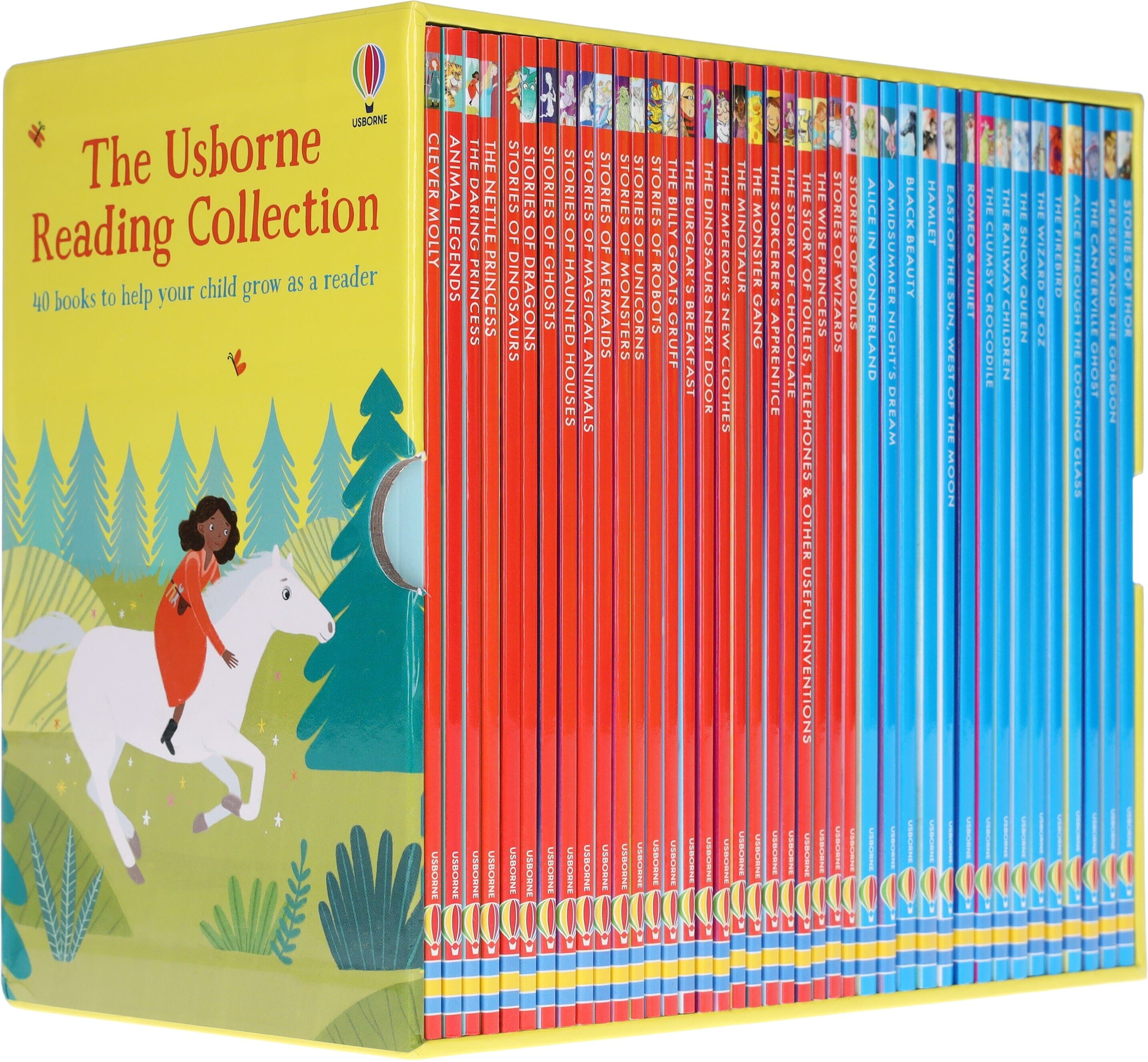
The Usborne Reading 40 Books Collection Box Set (with Free Audio Online) - Ages 5+ - Paperback Usborne Publishing LtdTitles in this set: The first 25 books are taken from Usborne Young Reading Series One: The Wise Princess Clever Molly The Nettle Princess The Daring Princess Animal Legends Stories of Dinosaurs Stories of Dragons Stories of Ghosts Stories of Haunted Houses Stories of Magical Animals Stories of Mermaids Stories of Monsters Stories of Unicorns Stories of Robots The Billy Goats Gruff The Burglar's Breakfast The Dinosaurs Next Door The Emperor's New Clothes The Monster Gang The Sorcerer's Apprentice The Story of Chocolate Story of Toilets, Telephones & other useful inventions Stories of Wizards Stories of Dolls The Minotaur The next 15 books are taken from Usborne Young Reading Series two: Alice in Wonderland A Midsummer Night's Dream Black Beauty Hamlet East of the Sun, West of the Moon Romeo and Juliet The Clumsy Crocodile The Railway Children The Snow Queen The Wizard of Oz The Firebird Alice Through The Looking-Glass The Canterville Ghost Perseus and the Gorgon Young Reading Stories of Thor Description Perfect for building confidence and fostering a love of reading, The Usborne Reading Collection is a fantastic library of 40 books with free Audio Online. From much-loved classics to comical original stories and real-life histories, this fully illustrated set has been developed with reading experts from the University of Roehampton.26,74 £*Shipping: 2,99 £Secure redirect to the provider
-
Chit Chat Make Up Artist for Beginners 1 un.An eyeshadow. Designed for budding beauty enthusiasts, this all-in-one kit comes with everything needed to explore the art of makeup in a fun, hands-on way. Inspires creativity with an A5 drawing pad for makeup design. Comprehensive set of makeup shades and tools for endless looks. Reusable case for organized, on-the-go artistry.12,98 £*Shipping: 6,94 £Secure redirect to the provider



-
What are monohydric alcohols?
Monohydric alcohols are organic compounds that contain a single hydroxyl (-OH) group attached to a carbon atom. They are also known as primary alcohols. Monohydric alcohols can be found in various natural sources such as fruits, vegetables, and grains, and are also commonly used in the production of alcoholic beverages, solvents, and as fuel additives. Examples of monohydric alcohols include methanol, ethanol, and propanol. **
-
Are all alcohols lipophilic?
Yes, all alcohols are lipophilic, meaning they are attracted to and soluble in lipids or fats. This is because alcohols have a hydrophobic (water-repelling) portion, which allows them to interact with and dissolve in non-polar substances like lipids. This property makes alcohols useful in a variety of applications, including as solvents in the pharmaceutical and cosmetic industries. **
-
What are alcohols in chemistry?
Alcohols are a class of organic compounds that contain a hydroxyl (-OH) functional group, which is a combination of a hydrogen atom and an oxygen atom bonded to a carbon atom. They are characterized by their ability to dissolve in water and their ability to undergo reactions such as oxidation and esterification. Alcohols can be classified as primary, secondary, or tertiary based on the number of carbon atoms bonded to the carbon atom bearing the hydroxyl group. They are commonly used as solvents, disinfectants, and in the production of various chemicals and consumer products. **
-
'It's about alcohols in chemistry.'
Alcohols are a class of organic compounds that contain a hydroxyl group (-OH) bonded to a carbon atom. They are commonly used as solvents, disinfectants, and in the production of various chemicals. Alcohols can be classified as primary, secondary, or tertiary based on the number of carbon atoms bonded to the carbon atom bearing the hydroxyl group. They also undergo various chemical reactions, such as oxidation to form aldehydes or ketones, and esterification to form esters. **

Which alcohols can you drink?
You can drink alcohols that are safe for human consumption, such as beer, wine, and spirits. It's important to drink responsibly and in moderation, and to be aware of your own tolerance and any potential health risks. It's also important to be of legal drinking age in your country or region. Always consult with a healthcare professional if you have any concerns about alcohol consumption. **
Why are primary and secondary alcohols not as reactive as tertiary alcohols in SN1 reactions?
Primary and secondary alcohols are not as reactive as tertiary alcohols in SN1 reactions because the rate-determining step in SN1 reactions involves the formation of a carbocation intermediate. Tertiary alcohols form more stable carbocation intermediates due to the presence of more alkyl groups, which stabilize the positive charge through hyperconjugation and inductive effects. In contrast, primary and secondary alcohols form less stable carbocation intermediates, making the reaction less favorable. As a result, tertiary alcohols undergo SN1 reactions more readily than primary and secondary alcohols. **
Top-Angebote
Products related to Alcohols:
-
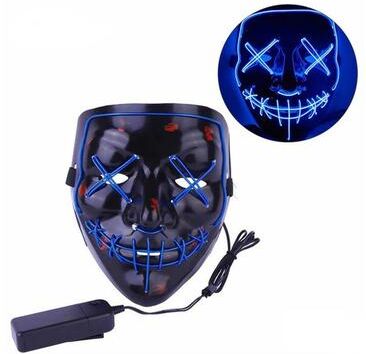
Playful Picks Spooky Light Up Anonymous Mask BlueDon’t you just love cosplay, rave and costume parties Everyone dresses up so innovatively, they put on abnormally appealing makeup (only the ladies :p), the music is deafeningly enjoyable but wait. Do you always show up in the same old costume Don’t...29,97 $*Shipping: 0,00 $Secure redirect to the provider
-
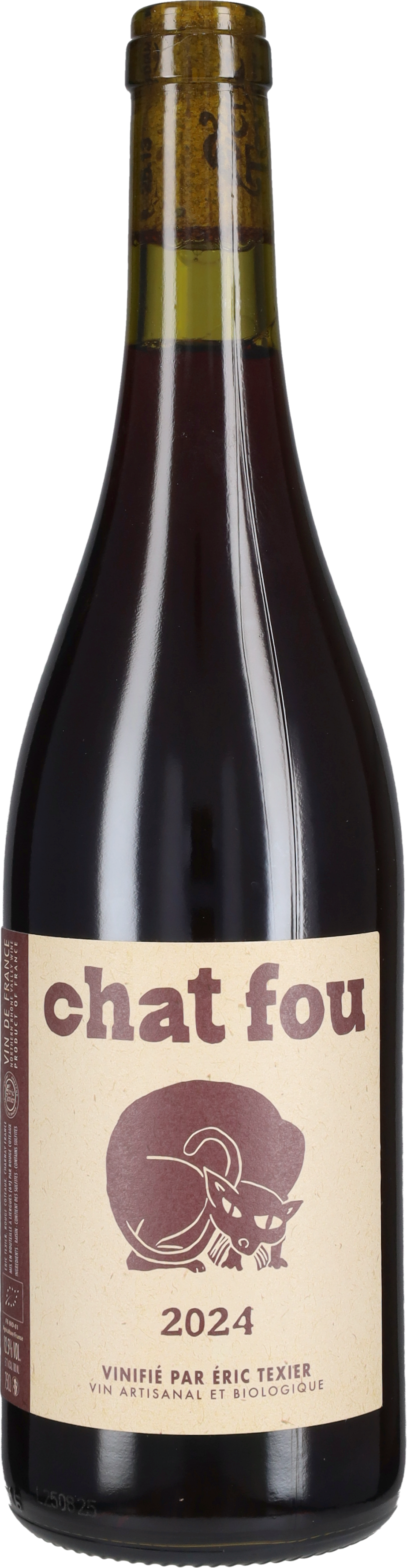
Texier Eric 'Chat Fou' Eric Texier 2024continuously encourages drinking. A label suitable for any occasion, convivial and typically artisanal.continuously encourages drinking. A label suitable for any occasion, convivial and typically artisanal.continuously encourages drinking. A label suitable for any occasion, convivial and typically artisanal.18,00 £*Shipping: 48,00 £Secure redirect to the provider
-
The Usborne Reading Collection 50 Books Box Set (with Free Audio Online) - Ages 5+ - Paperback Usborne Publishing LtdTitles in this set: The first 17 books are taken from Usborne First Reading Level 3: 1. The Bug Who Wanted A Hug 2. The King's Pudding 3. The Goose that laid the Golden Eggs 4. Chicken Licken 5. The Musicians of Bremen 6. The Town Mouse and the Country Mouse 7. The Boy Who Cried Wolf 8. The Magic Porridge Pot 9. The Gingerbread Man 10. The Leopard and the Sky God 11. The Lion and the Mouse 12. The Ant and the Grasshopper 13. The Little Red Hen 14. The Fox and the Crow 15. The Fox and the Stork 16. The Dinosaur Who Lost His Roar 17. The Dinosaur Who Stayed Indoors The next 19 books are taken from Usborne First Reading Level 4: 1. The Tin Soldier 2. The Golden Carpet 3. The Reluctant Dragon 4. Baba Yaga the Flying Witch 5. The Owl and the Pussy Cat 6. The Hare and the Tortoise 7. Cinderella 8. Snow White and the Seven Dwarfs 9. Jack & the Beanstalk 10. Goldilocks and the Three Bears 11. Little Red Riding Hood 12. Sleeping Beauty 13. The Elves and the Shoemaker 14. Princess and the Pea 15. Beauty and the Beast 16. The Ugly Duckling 17. The Three Wishes 18. The Story of Pinocchio 19. How Tortoise tricked the Birds 14 Further books are taken from Usborne Young Reading Series 1: 1. The Wise Princess 2. Snow White and Rose Red 3. The Sleeping Prince 4. The Wooden Horse 5. The Little Mermaid 6. The Nutcracker 7. Hansel and Gretel 8. Rumplestilskin 9. Adventures of Sinbad the Sailor 10. The Runaway Princess 11. Tinder Box 12. Icarus, the Boy Who Flew Too High 13. Stories of Unicorns 14. Stories of Merlin Description: Inspire a lifelong love of reading in children with this fantastic library of 50 books. This great value set of fully illustrated story books is sure to suit all levels of reading ability. All fifty titles feature in the Usborne Reading Programme, a range that has been especially developed to help encourage young readers at home.32,99 £*Shipping: 2,99 £Secure redirect to the provider
-
The Usborne Reading 40 Books Collection Box Set (with Free Audio Online) - Ages 5+ - Paperback Usborne Publishing LtdTitles in this set: The first 25 books are taken from Usborne Young Reading Series One: The Wise Princess Clever Molly The Nettle Princess The Daring Princess Animal Legends Stories of Dinosaurs Stories of Dragons Stories of Ghosts Stories of Haunted Houses Stories of Magical Animals Stories of Mermaids Stories of Monsters Stories of Unicorns Stories of Robots The Billy Goats Gruff The Burglar's Breakfast The Dinosaurs Next Door The Emperor's New Clothes The Monster Gang The Sorcerer's Apprentice The Story of Chocolate Story of Toilets, Telephones & other useful inventions Stories of Wizards Stories of Dolls The Minotaur The next 15 books are taken from Usborne Young Reading Series two: Alice in Wonderland A Midsummer Night's Dream Black Beauty Hamlet East of the Sun, West of the Moon Romeo and Juliet The Clumsy Crocodile The Railway Children The Snow Queen The Wizard of Oz The Firebird Alice Through The Looking-Glass The Canterville Ghost Perseus and the Gorgon Young Reading Stories of Thor Description Perfect for building confidence and fostering a love of reading, The Usborne Reading Collection is a fantastic library of 40 books with free Audio Online. From much-loved classics to comical original stories and real-life histories, this fully illustrated set has been developed with reading experts from the University of Roehampton.26,74 £*Shipping: 2,99 £Secure redirect to the provider
-
What are alcohols?
Alcohols are a class of organic compounds that contain a hydroxyl group (-OH) attached to a carbon atom. They are characterized by their ability to dissolve in water and their distinct smell and taste. Alcohols can be classified based on the number of carbon atoms bonded to the carbon atom with the hydroxyl group, such as methanol, ethanol, and isopropanol. They are commonly used as solvents, disinfectants, and in alcoholic beverages. **
-
Are polyhydric alcohols the same as, for example, secondary alcohols?
No, polyhydric alcohols and secondary alcohols are not the same. Polyhydric alcohols are alcohols that contain more than one hydroxyl (-OH) group in their structure, such as glycerol or ethylene glycol. Secondary alcohols, on the other hand, are a specific type of alcohol where the carbon atom bearing the hydroxyl group is bonded to two other carbon atoms. Examples of secondary alcohols include isopropanol and 2-butanol. Therefore, while polyhydric alcohols refer to the presence of multiple hydroxyl groups, secondary alcohols refer to the specific structure of the carbon atom bonded to the hydroxyl group. **
-
What are monohydric alcohols?
Monohydric alcohols are organic compounds that contain a single hydroxyl (-OH) group attached to a carbon atom. They are also known as primary alcohols. Monohydric alcohols can be found in various natural sources such as fruits, vegetables, and grains, and are also commonly used in the production of alcoholic beverages, solvents, and as fuel additives. Examples of monohydric alcohols include methanol, ethanol, and propanol. **
-
Are all alcohols lipophilic?
Yes, all alcohols are lipophilic, meaning they are attracted to and soluble in lipids or fats. This is because alcohols have a hydrophobic (water-repelling) portion, which allows them to interact with and dissolve in non-polar substances like lipids. This property makes alcohols useful in a variety of applications, including as solvents in the pharmaceutical and cosmetic industries. **
Similar search terms for Alcohols
-
Chit Chat Make Up Artist for Beginners 1 un.An eyeshadow. Designed for budding beauty enthusiasts, this all-in-one kit comes with everything needed to explore the art of makeup in a fun, hands-on way. Inspires creativity with an A5 drawing pad for makeup design. Comprehensive set of makeup shades and tools for endless looks. Reusable case for organized, on-the-go artistry.12,98 £*Shipping: 6,94 £Secure redirect to the provider
-
Usborne My First Phonics Reading Library 12 Books Collection Set Paperback Ages 3-5 Phonics Readers with Free Audio OnlineIntroduce your child to the world of reading with the Usborne My First Phonics Reading Library, a collection of 12 brightly illustrated beginner readers. Each story features a rhyming animal character, from a mischievous ape to a bingo-playing flamingo, built around a specific phonics sound. Designed for children aged 3-5, this set pairs humour with systematic sound patterns, making it a great tool for parents and teachers introducing early readers to the world of phonics.13,49 £*Shipping: 2,99 £Secure redirect to the provider
-
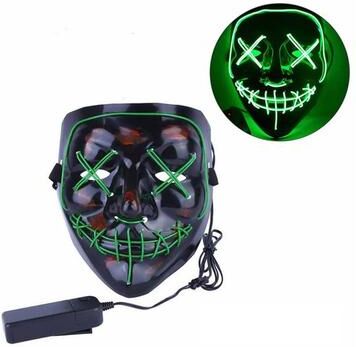
Playful Picks Spooky Light Up Anonymous Mask GreenDon’t you just love cosplay, rave and costume parties Everyone dresses up so innovatively, they put on abnormally appealing makeup (only the ladies :p), the music is deafeningly enjoyable but wait. Do you always show up in the same old costume Don’t...29,97 $*Shipping: 0,00 $Secure redirect to the provider
-
What are alcohols in chemistry?
Alcohols are a class of organic compounds that contain a hydroxyl (-OH) functional group, which is a combination of a hydrogen atom and an oxygen atom bonded to a carbon atom. They are characterized by their ability to dissolve in water and their ability to undergo reactions such as oxidation and esterification. Alcohols can be classified as primary, secondary, or tertiary based on the number of carbon atoms bonded to the carbon atom bearing the hydroxyl group. They are commonly used as solvents, disinfectants, and in the production of various chemicals and consumer products. **
-
'It's about alcohols in chemistry.'
Alcohols are a class of organic compounds that contain a hydroxyl group (-OH) bonded to a carbon atom. They are commonly used as solvents, disinfectants, and in the production of various chemicals. Alcohols can be classified as primary, secondary, or tertiary based on the number of carbon atoms bonded to the carbon atom bearing the hydroxyl group. They also undergo various chemical reactions, such as oxidation to form aldehydes or ketones, and esterification to form esters. **
-
Which alcohols can you drink?
You can drink alcohols that are safe for human consumption, such as beer, wine, and spirits. It's important to drink responsibly and in moderation, and to be aware of your own tolerance and any potential health risks. It's also important to be of legal drinking age in your country or region. Always consult with a healthcare professional if you have any concerns about alcohol consumption. **
-
Why are primary and secondary alcohols not as reactive as tertiary alcohols in SN1 reactions?
Primary and secondary alcohols are not as reactive as tertiary alcohols in SN1 reactions because the rate-determining step in SN1 reactions involves the formation of a carbocation intermediate. Tertiary alcohols form more stable carbocation intermediates due to the presence of more alkyl groups, which stabilize the positive charge through hyperconjugation and inductive effects. In contrast, primary and secondary alcohols form less stable carbocation intermediates, making the reaction less favorable. As a result, tertiary alcohols undergo SN1 reactions more readily than primary and secondary alcohols. **
* All prices are inclusive of VAT and, if applicable, plus shipping costs. The offer information is based on the details provided by the respective shop and is updated through automated processes. Real-time updates do not occur, so deviations can occur in individual cases. ** Note: Parts of this content were created by AI.